ACEP

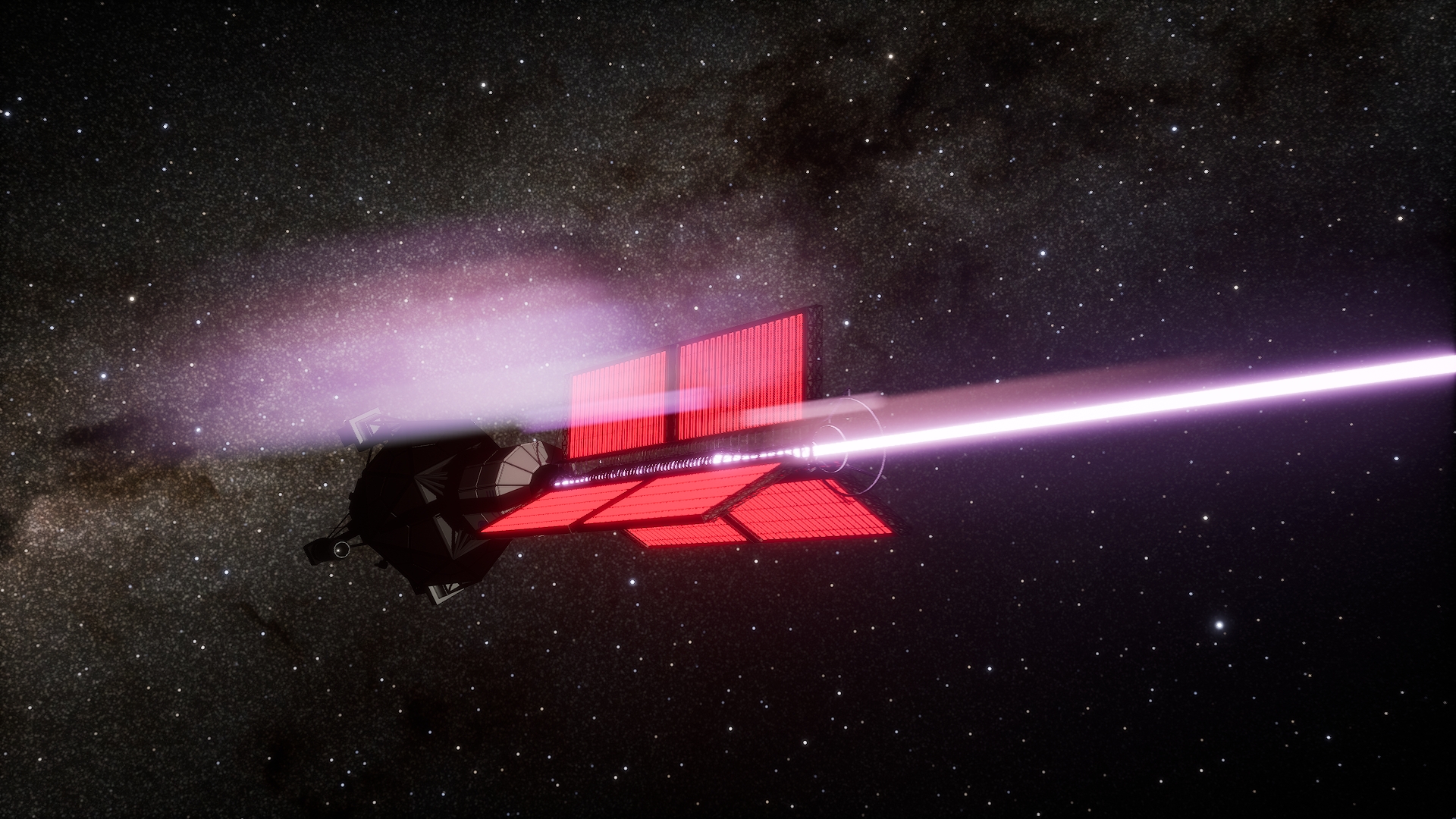
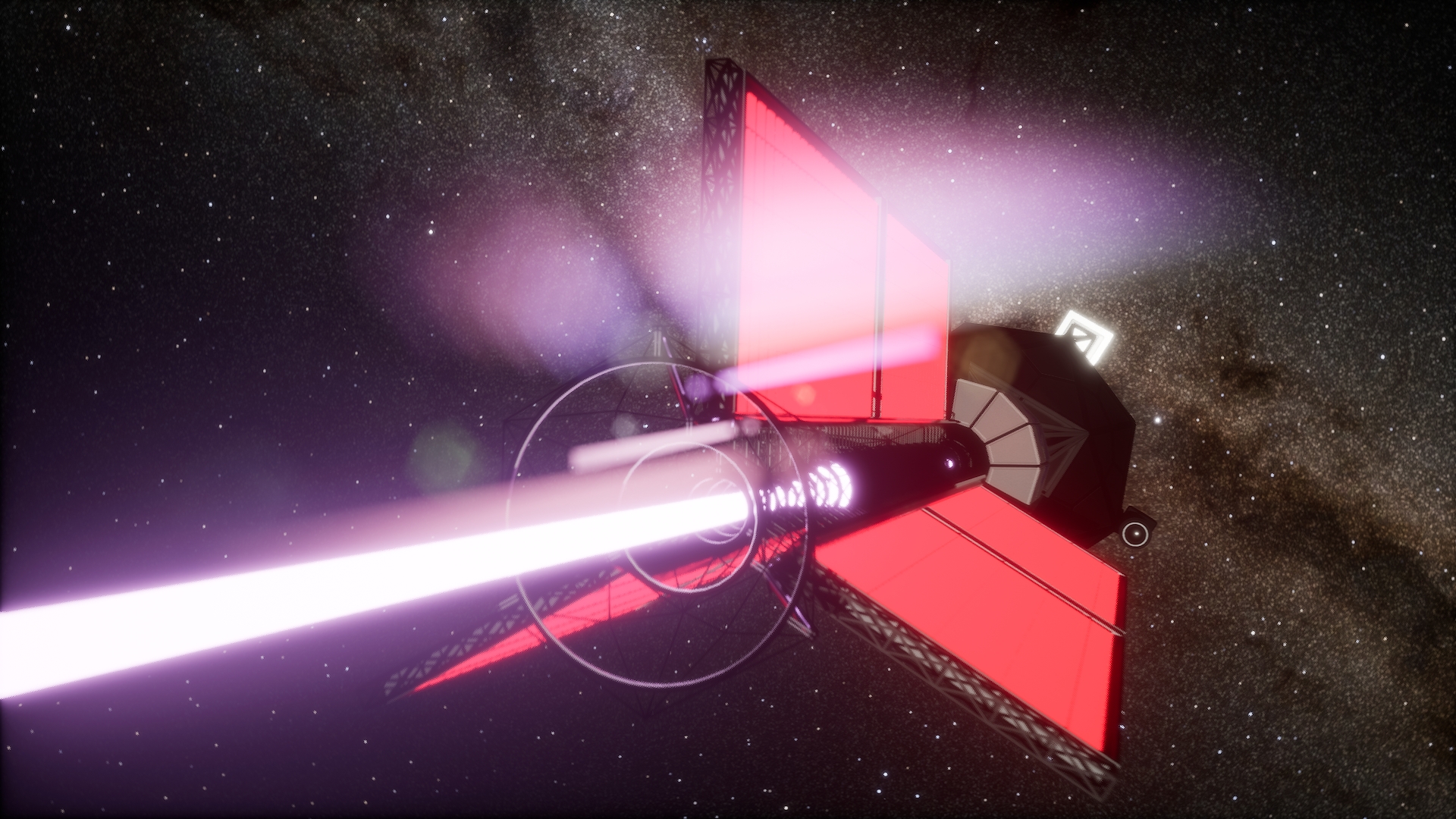
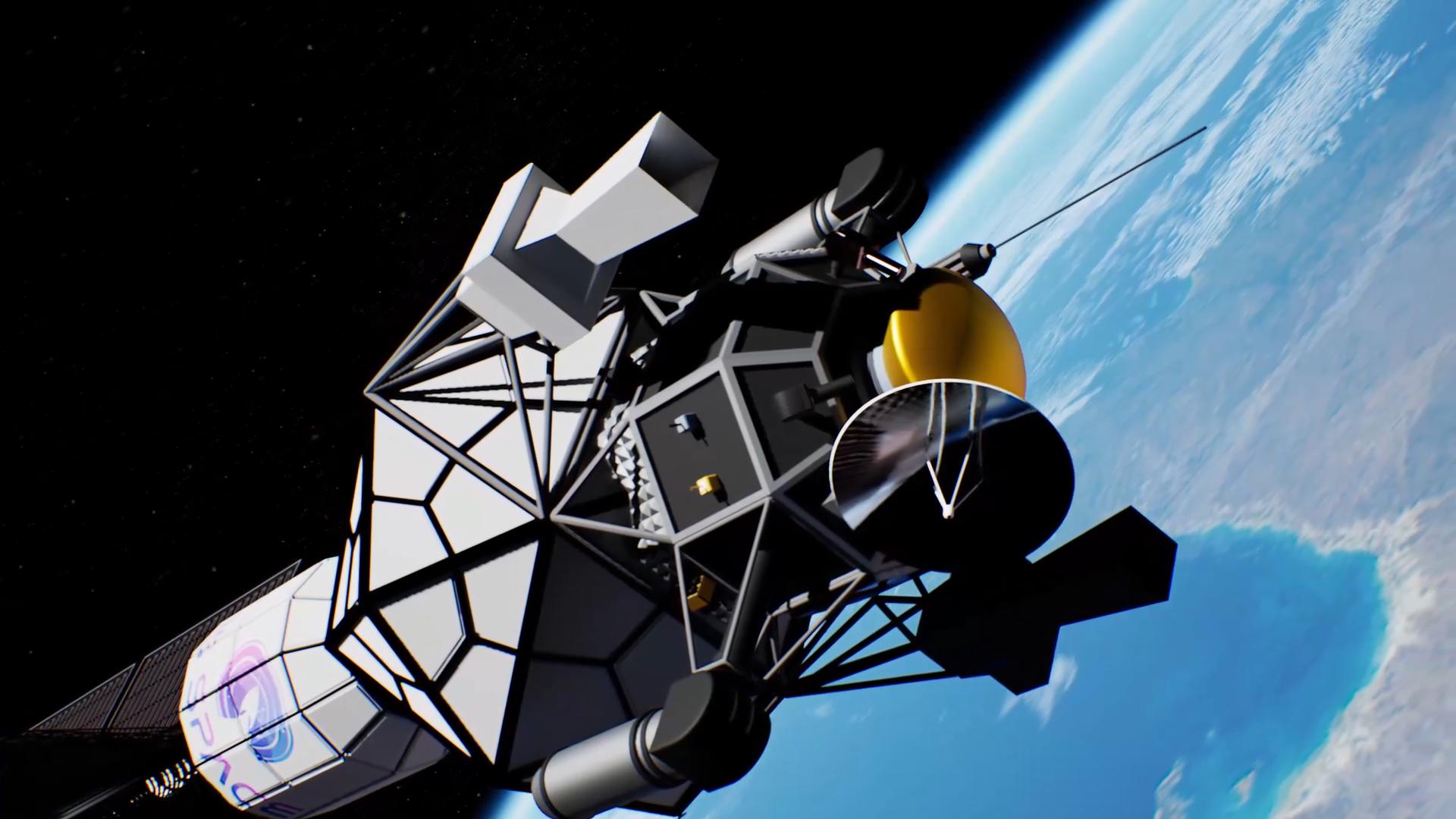
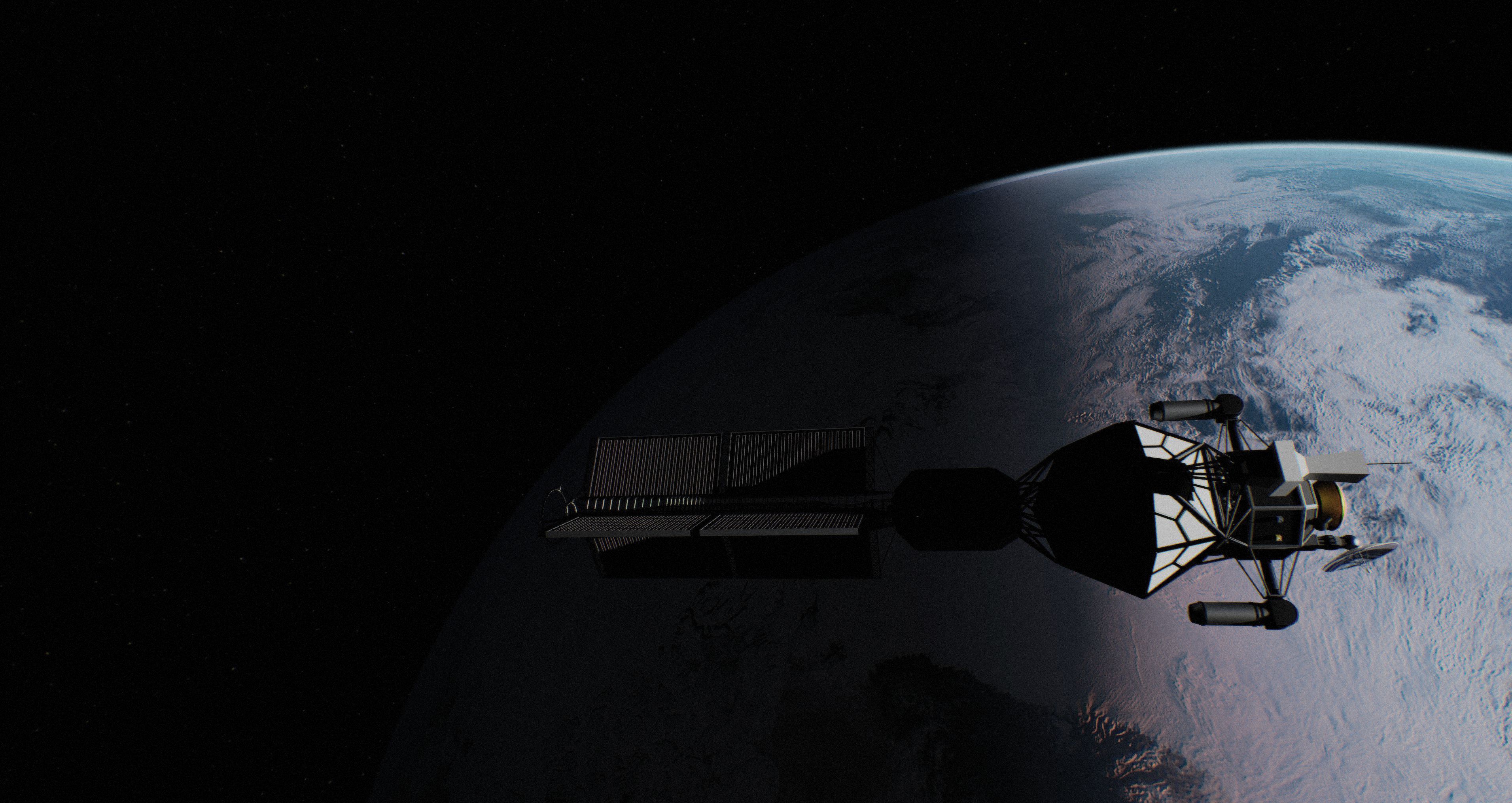
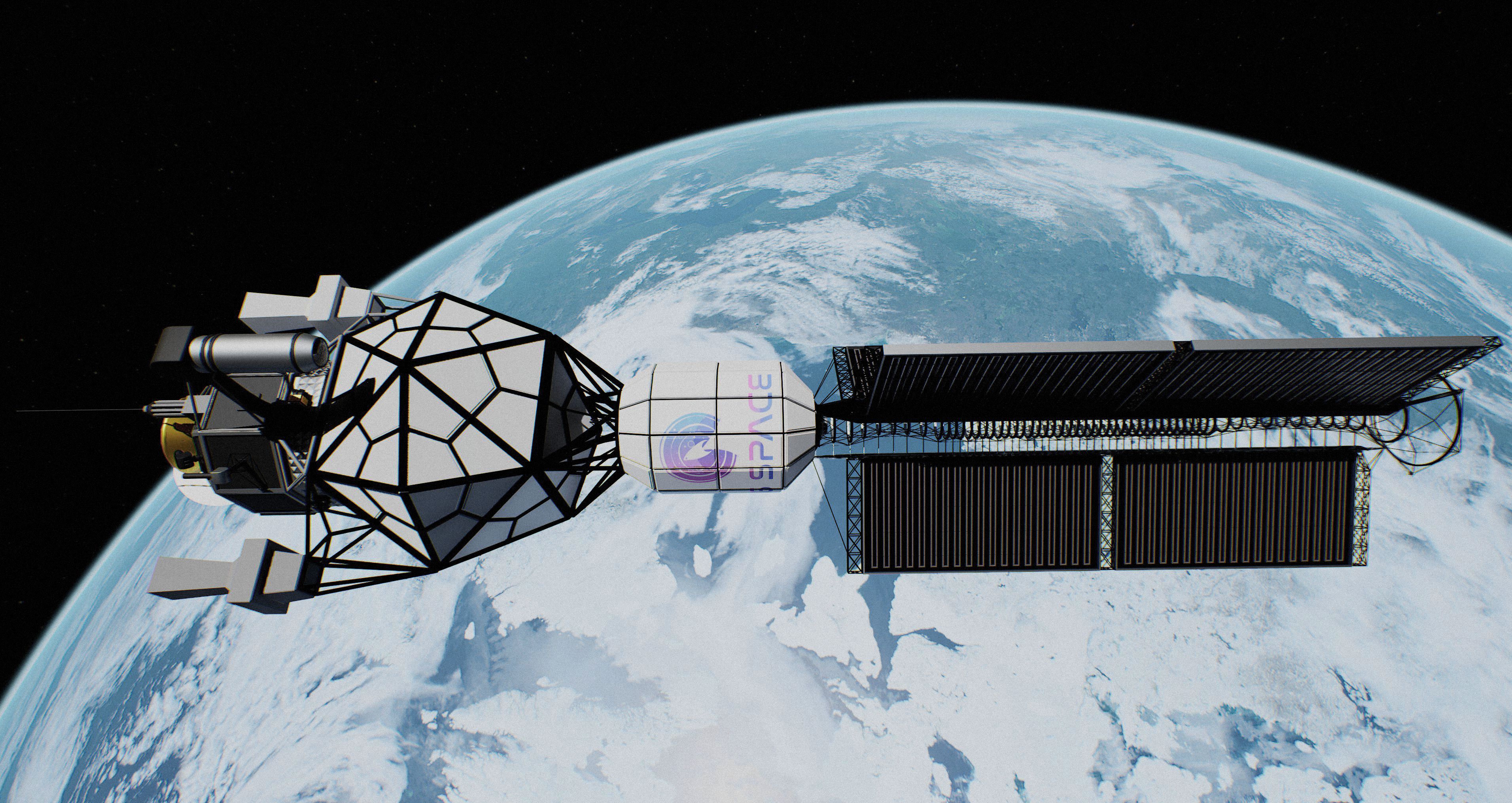
The Alpha Centauri Exploratory Probe (ACEP) is the uncrewed reconnaissance and technology-validation spacecraft assigned as the first operational vehicle within the 1gSpace Proxima Centauri mission architecture.

The vehicle operates under a continuous 1 g acceleration-deceleration mission profile and is currently referenced by mission elapsed time: MET T+calculating.

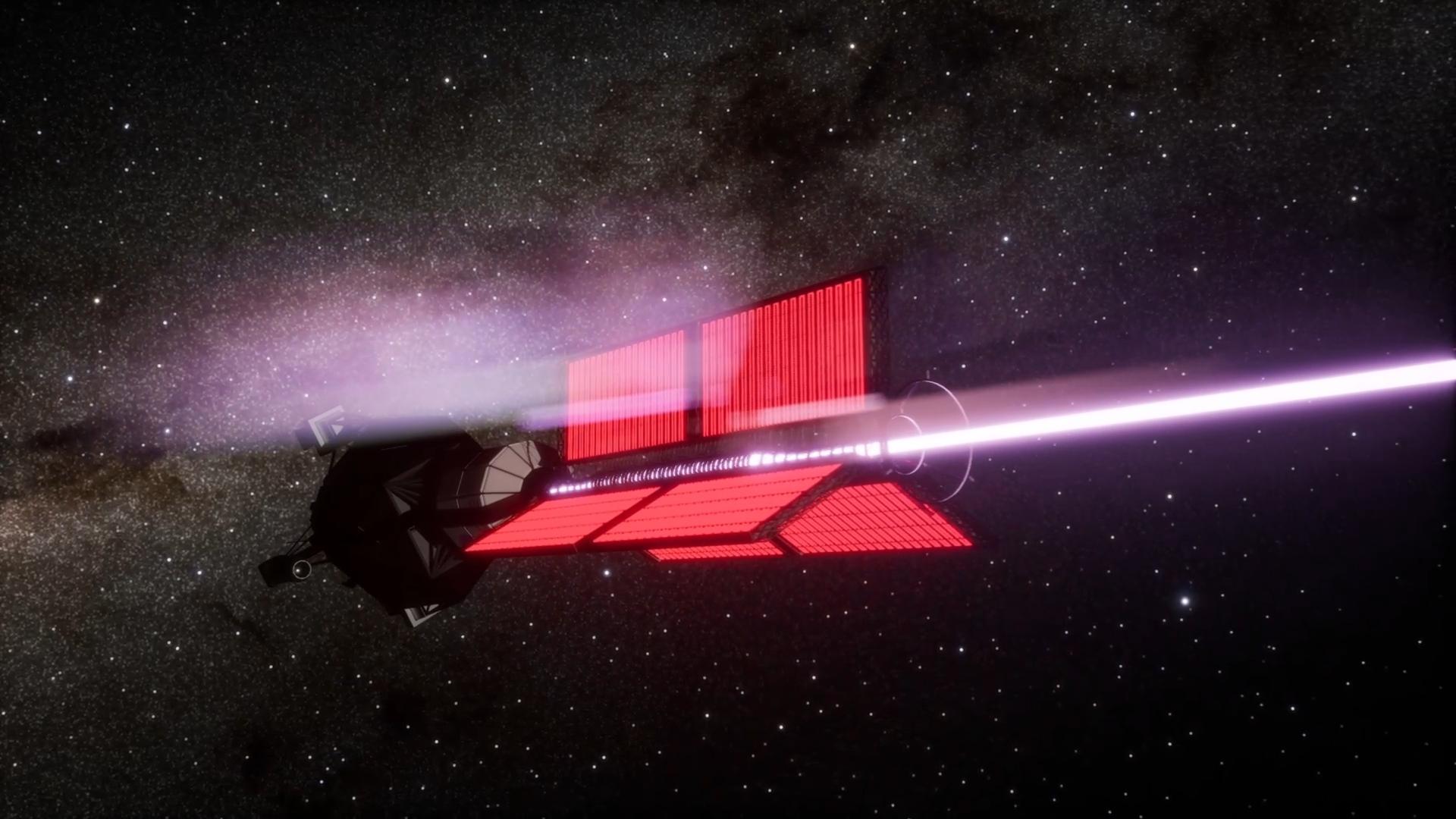
ACEP validates the core engineering assumptions required by later program stages: Dual-Core Magnetically Confined Antiproton-Augmented Fusion Reactor (DCMCAAFR) propulsion, autonomous mission control, high-latency navigation, long-duration subsystem stability, and deep-space data return.

Although smaller than the later interstellar vehicles, ACEP provides the first operational baseline for the full mission chain, constraining the design of ISV Innes, ISV Anglada, ISV Proxima, and the surface-site validation sequence for Eternal Sunset.

ACEP Public Telemetry

Public mission telemetry presenting selected trajectory state, timing data, velocity profile, and event markers for external monitoring of the ACEP flight sequence.

View ACEP Public Telemetry

ACEP Advanced Telemetry

Full-resolution operational telemetry exposing internal subsystem states, derived metrics, and control behavior across all mission phases.

View ACEP Advanced Telemetry

ACEP Documentation

Technical reference describing ACEP vehicle architecture, propulsion, power, thermal control, communications, and mission design.

View PDF

Mission Role

ACEP functions as the first autonomous reconnaissance asset in the Proxima Centauri mission sequence. Its primary role is to reduce uncertainty before crewed survey, logistics deployment, and permanent surface infrastructure are committed.

After orbital arrival, the spacecraft characterizes the local operating environment around Proxima b, including orbital conditions, atmospheric behavior, surface morphology, thermal distribution, radiation exposure, magnetic-field structure, and candidate twilight-zone operating regions.

The initial science phase is concentrated on high-priority remote sensing and environmental assessment. AURAI manages observation scheduling, instrument pointing, data prioritization, and transmission planning under multi-year communication latency, without reliance on real-time ground control.

ACEP also deploys the ACEP Atmos descent element for direct atmospheric sampling. During its controlled entry sequence, ACEP Atmos returns pressure, temperature, composition, imaging, and descent-phase observational data before terminal loss, providing the first in-situ atmospheric reference for later vehicle and lander design.

The resulting dataset informs the ISV Innes crewed survey phase, lander operating constraints, Eternal Sunset site validation, ISV Anglada cargo requirements, and the downstream ISV Proxima colony-transport stage. After the primary science window, ACEP can remain in extended low-power orbital persistence as a long-duration observation and telemetry asset.

ACEP Milestones

Open each category to review grouped mission event records.

Speed Achievements

    Speed 0 equals LEO velocity at 200 km altitude
  • Minute 3 - ACEP achieved the speed of the X-15 Rocket Plane (4,520 km/h)
  • Minute 4 - ACEP achieved Space Shuttle re-entry speed (7,800 km/h)
  • Minute 9 - ACEP reached the escape velocity of Voyager 1 (17,000 km/h)
  • Minute 17 - ACEP achieved the speed of Apollo 10 during re-entry (39,600 km/h)
  • Minute 19 - ACEP reached the speed of Apollo 11 during lunar insertion (10.8 km/s)
  • Minute 19 - ACEP reached the escape velocity achieved by Saturn V (40,000 km/h)
  • Minute 20 - ACEP achieved Earth escape velocity (11.2 km/s)
  • Minute 24 - ACEP achieved the speed of New Horizons during its Pluto flyby (50,000 km/h)
  • Minute 28 - ACEP reached the speed of the Galileo spacecraft (73,000 km/h)
  • Minute 29 - ACEP reached the speed of Voyager 1, the fastest probe leaving the Solar System (17.0 km/s)
  • Minute 51 - ACEP reached Earth's orbital speed around the Sun (107,226 km/h)
  • Minute 72 - ACEP achieved Solar escape velocity (42.1 km/s)
  • Hour 3 - At this speed (107 km/s), ACEP would cover Earth-Moon distance in ~1 hour.
  • Hour 4 - ACEP achieved the speed of the Parker Solar Probe (163 km/s), the fastest man-made object to date
  • Hour 19 - At this speed (667 km/s), ACEP would circumnavigate Earth in 1 minute.
  • Day 4 - ACEP reached 1% of light speed (305,910 seconds)
  • Day 8 - At this speed (6407 km/s), ACEP would cover Earth-Moon distance in 1 minute.
  • Day 12 - At this speed (10556 km/s), ACEP would cover Earth-Venus distance in 1 hour.
  • Day 16 - At this speed (13900 km/s), ACEP would cover Earth-Saturn distance in 1 day.
  • Day 25 - At this speed (21389 km/s), ACEP would cover Earth-Mercury distance in 1 hour.
  • Day 33 - At this speed (27800 km/s), ACEP would cover Earth-Saturn distance in 12 hours.
  • Day 36 - ACEP attained 10% of light speed. At this speed (30560 km/s), ACEP would cover Earth-Mars distance in 30 minutes.
  • Day 46 - At this speed (38400 km/s), ACEP would cover the Earth-Moon distance in 10 seconds.
  • Day 47 - At this speed (40000 km/s), ACEP would circumnavigate Earth in 1 second.
  • Day 50 - At this speed (41667 km/s), ACEP would cover Earth-Sun distance in 1 hour.
  • Day 72 - ACEP attained 20% of light speed
  • Day 82 - At this speed (68300 km/s), ACEP would cover Earth-Pluto distance in 1 day.
  • Day 110 - ACEP attained 30% of light speed
  • Day 150 - ACEP attained 40% of light speed
  • Day 174 - At this speed (136700 km/s), ACEP would cover the Earth-Venus distance in 5 minutes.
  • Day 195 - ACEP attained 50% of light speed
  • Day 218 - At this speed (164000 km/s), ACEP would cover the Earth-Pluto distance in 10 hours.
  • Day 222 - At this speed (166667 km/s), ACEP would cover Earth-Jupiter distance in 1 hour.
  • Day 242 - At this speed (177500 km/s), ACEP would cover the Earth-Saturn distance in 2 hours.
  • Day 245 - ACEP attained 60% of light speed
  • Day 269 - At this speed (192200 km/s), ACEP would cover the Earth-Moon distance in 2 seconds.
  • Day 307 - ACEP attained 70% of light speed
  • Day 353 - At this speed (227700 km/s), ACEP would cover the Earth-Venus distance in 3 minutes.
  • Day 389 - ACEP attained 80% of light speed
  • Day 396 - At this speed (241700 km/s), ACEP would cover the Earth-Neptune distance in 5 hours.
  • Day 433 - At this speed (252000 km/s), ACEP would cover the Earth-Uranus distance in 3 hours.
  • Day 451 - At this speed (257000 km/s), ACEP would cover the Earth-Mercury distance in 5 minutes.
  • Day 468 - At this speed (260000 km/s), ACEP would cover the Earth-Mars distance in 5 minutes.
  • Day 521 - ACEP attained 90% of light speed
  • Day 644 - Midpoint Achieved (peak velocity 94.89% of light speed)
Distance Achievements
  • Hour 1 - Covered a distance equivalent to Earth's circumference, distance travelled 0.04 mln km
  • Hour 3 - Covered the distance of 0.38 mln km equal to the average Earth - Moon distance
  • Hour 26 - Covered the distance of 41 mln km equal to the average Earth - Venus distance
  • Hour 36 - Covered the distance of 78 mln km equal to the average Earth - Mars distance
  • Hour 38 - Covered the distance of 91 mln km equal to the average Earth - Mercury distance
  • Hour 49 - Covered the distance of 149 mln km equal to the average Earth - Sun distance (1 AU)
  • Day 5 - Covered the distance of 628 mln km equal to the average Earth - Jupiter distance
  • Day 6 - Covered the distance of 1275 mln km equal to the average Earth - Saturn distance
  • Day 9 - Covered the distance of 2724 mln km equal to the average Earth - Uranus distance
  • Day 11 - Covered the distance of 4351 mln km equal to the average Earth - Neptune distance
  • Day 13 - Covered the distance of 5906 mln km equal to the average Earth - Pluto distance
  • Day 15 - Covered the distance of 7800 mln km equal to the distance from Earth to New Horizons probe
  • Day 17 - Covered the distance of 10500 mln km equal to the distance from Earth to Pioneer 11 probe
  • Day 19 - Covered the distance of 12000 mln km equal to the distance from Earth to Pioneer 10 probe
  • Day 24 - Covered the distance of 19600 mln km equal to the distance from Earth to Voyager 2 probe
  • Day 26 - Covered the distance of 24000 mln km equal to the distance from Earth to Voyager 1 probe
Time Milestones
  • Hour 3 - Communication delay exceeded 1 second
  • Hour 4 - Velocity 127 km/s, 10000-year arrival if constant speed
  • Hour 37 - Velocity 1271 km/s, 1000-year arrival if constant speed
  • Day 9 - Time difference between ship and Earth exceeded 1 minute
  • Day 16 - Velocity 12711 km/s, 100-year arrival if constant speed
  • Day 17 - Velocity 14122 km/s, 90-year arrival if constant speed
  • Day 19 - Velocity 15892 km/s, 80-year arrival if constant speed
  • Day 22 - Velocity 18160 km/s, 70-year arrival if constant speed
  • Day 25 - Velocity 21177 km/s, 60-year arrival if constant speed
  • Day 30 - Estimated 50-Year arrival if speed remains constant
  • Day 32 - Ship-Earth time difference exceeded 1 hour
  • Day 38 - Velocity 31743 km/s, 40-year arrival if constant speed
  • Day 51 - Velocity 42278 km/s, 30-year arrival if constant speed
  • Day 72 - Velocity 63231 km/s, 20-year arrival if constant speed
  • Day 91 - Ship-Earth time difference exceeded 1 day
  • Day 134 - Velocity 124246 km/s, 10-year arrival if constant speed
  • Day 156 - Velocity 137216 km/s, 9-year arrival if constant speed
  • Day 199 - Velocity 152990 km/s, 8-year arrival if constant speed
  • Day 232 - Velocity 172379 km/s, 7-year arrival if constant speed
  • Day 277 - Velocity 196239 km/s, 6-year arrival if constant speed
  • Day 322 - Nominal abort threshold crossed (2.7-year return)
  • Day 323 - Final emergency abort threshold (7.5-year return)
  • Day 344 - Velocity 224619 km/s, 5-year arrival if constant speed
  • Day 441 - Velocity 253878 km/s, 4-year arrival if constant speed
  • Day 560 - Velocity 275420 km/s, 3-year arrival if constant speed
  • Day 618 - Ship-Earth time difference exceeded 1 year
  • Day 865 - Ship-Earth time difference exceeded 2 years